
01 · Recognize
Begin with authentic source material
A voice, a few written lines, a photograph, or a familiar object can all be an entry point. First identify what deserves to remain without rushing to turn a life into a conclusion.
Xiyi studies how personal memories and life stories can be recorded, organized, preserved, and revisited, using prototypes to explore possible products, services, media, and interactions. Sound, text, images, and familiar objects are different ways for memory to remain—and to be encountered again at the right moment.

Memory does not have to remain in a single form.
Why we began
01 / ORIGIN
Xiyi began with the idea of a memoir. We are not interested in recording more for its own sake, but in helping a life be heard, understood, and kept in a form the person has chosen.
Memory lives across voices, words, photographs, gestures, and familiar objects. We first ask why it matters, who is involved, whose permission is needed, and who should encounter it. The memory determines the medium—not the other way around.
That is why we establish source, permission, context, and control before choosing a medium, product, or service.
Cherishing a memory begins with respecting the choices of everyone involved.
How Xiyi works
02 / METHOD
We do not begin with a telephone, a letter, or any fixed medium. Each study starts with an authentic source, explicit permission, and a future context of use. Only then do we choose how the memory should be recorded, shaped, preserved, and encountered again.
01 · Recognize
A voice, a few written lines, a photograph, or a familiar object can all be an entry point. First identify what deserves to remain without rushing to turn a life into a conclusion.

02 · Understand
Ask when needed and leave room for silence. Keep the person's own expression intact without writing meaning on their behalf.

03 · Give form
Depending on the material and the person's wishes, shape it as sound, text, image, a tangible archive, or a new interaction. Any editing or generation must remain clearly identified.
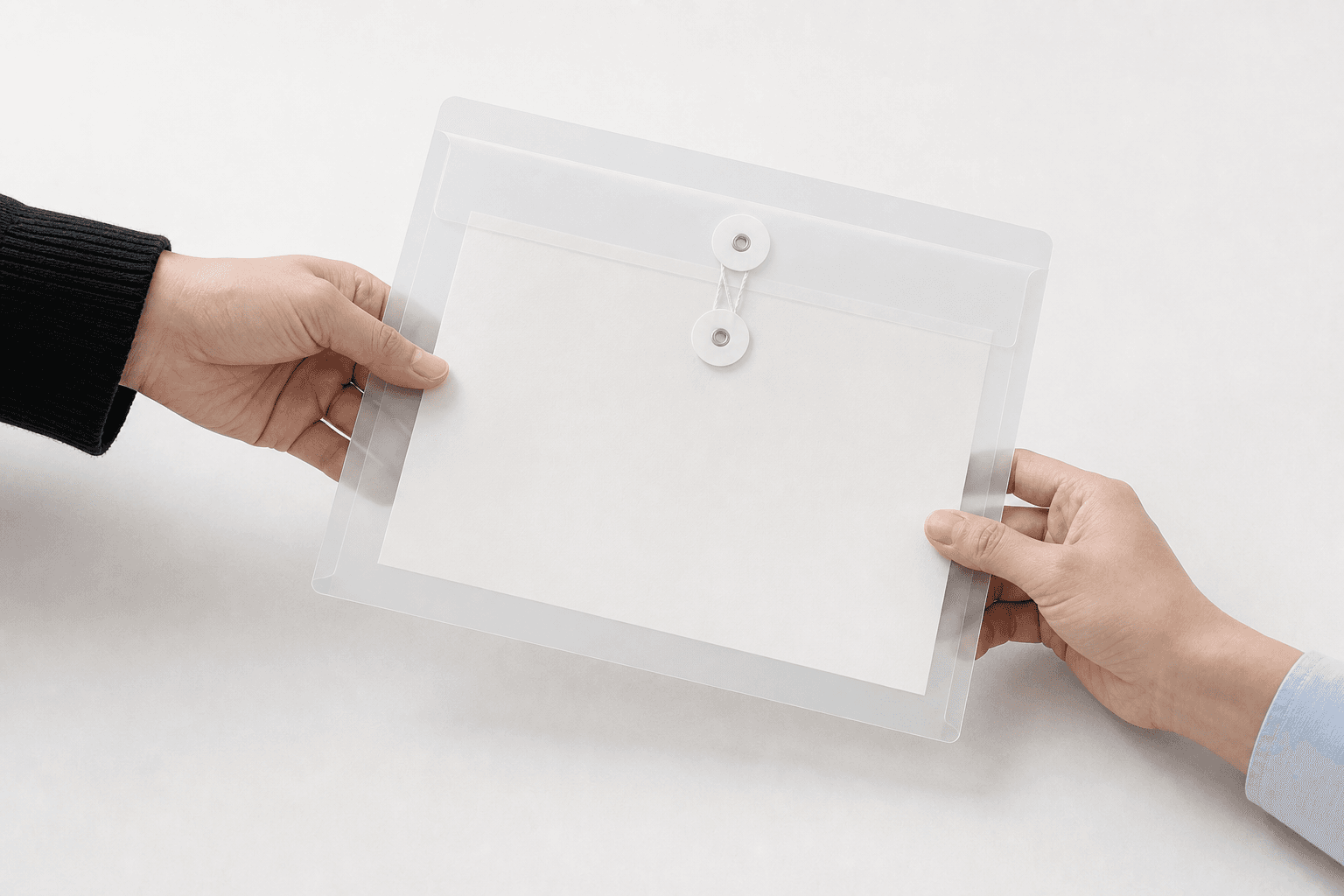
04 · Meet again
When a memory is encountered again, its source, permissions, and options should remain clear. Opening it, keeping it, passing it on, or deleting it follows the authorization boundaries already established by contributors and relevant people.
Studies in practice
03 / IN PRACTICE
Telephone and letter are only the two studies shown here. Sound, image, family history, personal archives, and tangible keepsakes can also become media for recording, preserving, and encountering memory again. Together, these forms extend Xiyi's long-term study of memory.

This prototype examines whether a familiar object can make recording and expression feel more natural, while connecting expression, waiting, and receiving the material back into one coherent experience.
This interaction has completed one prototype cycle. It is not a claim of a product already on sale.
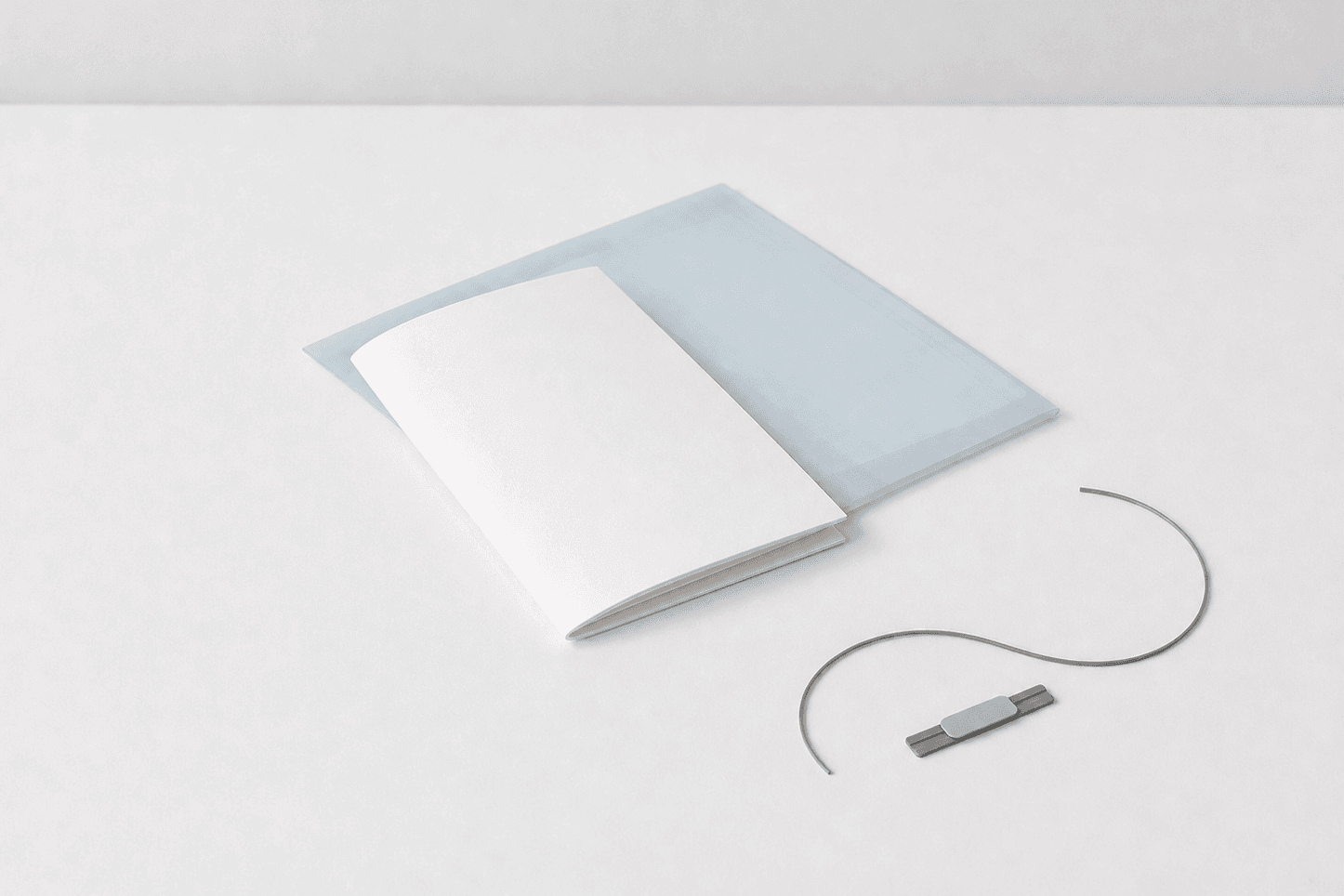
This study explores how a memory with a clear source, confirmed by the person it belongs to, can be reopened by a future self or someone they love at an agreed moment.
It uses only material confirmed by the person who contributed it. It does not generate or impersonate somebody else's reply.
Boundaries come first
04 / BOUNDARIES
Private memory is not training material or a shortcut to drama. The boundary is not a disclaimer added later. It is part of the experience itself.
Keep generated material distinct from authentic records. Never present a technical performance as words a person truly said.
Obtain clear permission and handle only what the delivery requires. Surprise is never worth trading away privacy.
Show the source. Make it portable. Make it deletable. Retention, recipients, and the moment of return follow the authorization boundaries already established by contributors and relevant people.
This site presents company methods, research directions, and prototypes. It does not promise medical or therapeutic outcomes, or current product availability.
About Xiyi
05 / ABOUT XIYI
We study how personal memories and life stories can be preserved through interviews, editorial work, archival services, software, hardware, physical artifacts, and exhibitions. Across them, we explore how meaningful material can remain faithful to its source, be understood in context, and be encountered again in a form people can feel.
We are not trying to preserve everything, and we do not build simulations that replace real relationships. Sources should remain clear and boundaries visible. Decisions about access, duration, and deletion follow the choices of contributors, other people involved, and those with explicit permission.
01 · One direction
Find a fitting way to preserve meaningful memories.
02 · Another direction
Keep every return grounded in authentic sources, consent, and human choice.
Contact
06 / CONTACT
We welcome product and service collaborations, family-history and memoir studies, exhibitions, research conversations, and media inquiries. Tell us briefly about the context and the question you want to work through.
dehonghao@wexiyi.com